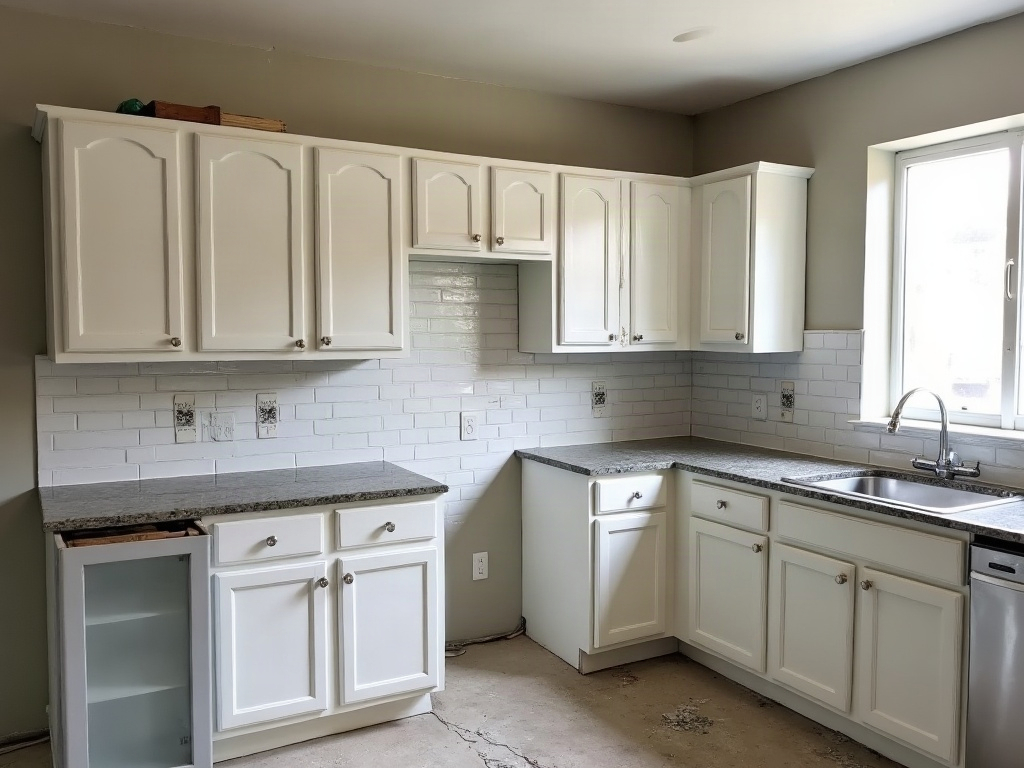
If you own a home near downtown Lake Worth Beach or out toward the Intracoastal, you already know the kitchen takes a beating. Salt air drifts in through open windows. Humidity settles into cabinet boxes and hinges. Many homes here were built decades ago, so the layout that made sense in 1960 feels cramped when three people are trying to cook and move around at once. A kitchen remodel is one of the best ways to fix all of that at the same time.
We work on kitchens across Palm Beach County, from older bungalows in the historic districts to larger estates closer to Wellington and West Palm Beach. The conditions are different from inland projects, and the right plan accounts for them from day one.
Coastal living is hard on a kitchen. Salt air speeds up corrosion on anything metal, so cheap cabinet hardware, hinges, and faucet finishes can pit and discolor within a few years. Humidity is the bigger issue. When moisture gets into particleboard cabinet boxes, the material swells and the doors stop closing right. You see it most often under the sink and along exterior walls.
The fix starts with material choices. We lean toward plywood cabinet boxes instead of particleboard, finishes rated for coastal use, and hardware that holds up to salt exposure. Good ventilation matters too. A properly vented range hood pulls cooking moisture out of the room instead of letting it sit on your cabinets and ceiling. These are small decisions that add years to the life of the work.
If you want a full overview of how we approach these projects, our page on Kitchen Remodeling in Lake Worth Beach walks through the process step by step.
A lot of kitchens in Lake Worth Beach were built as closed-off rooms. Walls separate the kitchen from the dining and living areas, which blocks light and makes the whole space feel smaller than it is. Opening up a wall can transform the feel of the home, but it takes care. Some of those walls carry load, and in a coastal county the structural details are not something to guess at.
Before we remove anything, we confirm what the wall is doing. If it is load bearing, we plan a beam that carries the weight and still meets code. We also look at what hides inside older walls. Outdated wiring, galvanized plumbing, and the occasional surprise from a past renovation all show up once the drywall comes off. Planning for that keeps the project moving instead of stalling when something unexpected appears.
Any kitchen remodel that touches electrical, plumbing, or structure needs permits in Palm Beach County. That is a good thing. Permitted work is inspected, and inspected work protects you when you sell the home or file an insurance claim. We handle the permit process so you are not standing in line at the county office.
Hurricane code shapes more of a kitchen project than people expect. If your remodel involves new or enlarged windows, the glass and framing have to meet impact standards for this area. Electrical upgrades have to follow current code, which often means new circuits for modern appliances and GFCI protection near water. These requirements exist because of where we live, and building to them the first time saves trouble later.
The best kitchens are planned around how you really use the space. We start by talking through your routine. Do you cook most nights or mostly reheat? Do the kids do homework at the counter? Does the family gather in the kitchen when guests come over? Those answers drive the layout more than any design trend.
For most homes, we focus on the work triangle between the sink, stove, and refrigerator, then build storage and counter space around it. An island adds prep room and seating when the floor plan allows it. In smaller Lake Worth Beach kitchens, we sometimes gain space by borrowing from an adjacent closet or a rarely used hallway. Lighting is part of the plan too. A mix of overhead lights, under cabinet strips, and task lighting over the sink makes the room easier to work in and nicer to spend time in.
Finishes are where a kitchen shows its personality, and in this climate they also show their durability. Quartz counters are popular because they resist stains and need no sealing, which suits a humid environment. Natural stone works well too when it is sealed and maintained. For flooring, porcelain tile and quality luxury vinyl both handle moisture better than solid wood in a coastal home.
We always talk about long term care. Light colors hide less than people think, and certain finishes show water spots in a room that stays humid. Picking materials that look good and stay looking good is part of the job. We serve homeowners throughout the area, and you can see the full list on Our Lake Worth Beach Service Area page.
A good remodel starts with a clear conversation about your goals, your budget, and your timeline. We walk the space with you, point out what we see, and give you an honest sense of what the project involves. From there we put together a plan you can actually follow. If you are ready to talk through your kitchen, call us at (561) 562-2318.
Most full kitchen remodels run six to ten weeks once work begins, depending on the scope. Moving walls, updating plumbing, and custom cabinet orders can extend that. Permit timelines in Palm Beach County also factor in, which is why we start that process early.
If your project changes electrical, plumbing, or structure, yes. A cosmetic update like new cabinet doors or paint may not. We review your plans, tell you what applies, and handle the permit filing and inspections so the work is documented and up to code.
Plywood cabinet boxes, coastal rated hardware and finishes, quartz or sealed stone counters, and porcelain tile or quality luxury vinyl flooring all handle humidity and salt air well. Good ventilation through a vented range hood also protects your investment over time.
Free assessment and a written estimate from a local crew.
Call (561) 562-2318